More Than a Game: Why College Football Is the Heartbeat of American Towns
Drive through certain parts of America on a Saturday in October and you will notice something strange: the towns are empty. The hardware store closes early. The church parking lot fills with tailgaters instead of worshippers. Everyone, it seems, has gone to the game. In communities across the South, the Midwest, and the Plains, college football is not entertainment scheduled around life. Life is scheduled around college football.
To outsiders, the devotion can look excessive. Grown adults planning weddings around a bye week. Retirees driving four hours each way for a noon kickoff. But the passion makes more sense when you understand what these teams actually represent. In many college towns, the university is the largest employer, the cultural center, and the economic engine all at once. The football team is the most visible expression of that institution, which means it is the most visible expression of the town itself.
The Stadium as Town Square
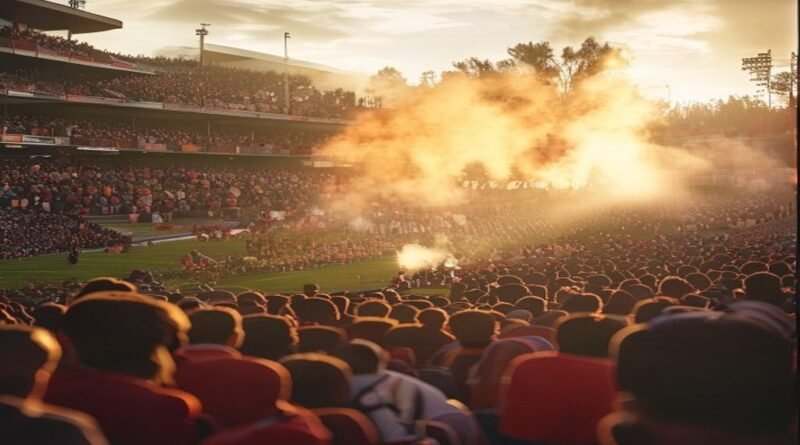
America has fewer and fewer places where an entire community gathers in person. Union halls have thinned out. Main Streets compete with delivery apps. Attendance at civic organizations has declined for decades. The college football stadium is a stubborn exception. On six or seven Saturdays each fall, tens of thousands of people, spanning every age, profession, and political persuasion, sit shoulder to shoulder and want the same thing.
That shared wanting matters. Sociologists who study community cohesion often point to rituals, repeated collective experiences that reinforce belonging, as the glue of local identity. A home football Saturday is ritual in its purest American form: the same parking spot, the same pregame meal, the same fight song at the same moment. Families pass down season tickets like heirlooms because, in a real sense, they are heirlooms. They are a claim to a place.
An Economy Built on Seven Saturdays
The emotional stakes are matched by financial ones. In a town of thirty or forty thousand people, a home game can temporarily double or triple the population. Hotels sell out months in advance. Restaurants staff up. Farmers rent out fields as parking lots. For many local businesses, the difference between a profitable year and a lean one comes down to how many home dates the schedule delivers.
- Hotels and short-term rentals often charge multi-night minimums on game weekends.
- Restaurants and bars can earn a disproportionate share of annual revenue during the season.
- Local vendors, from T-shirt printers to barbecue pits, build entire businesses around game day.
This economic gravity explains why conference realignment and scheduling decisions, which look like abstract media-rights maneuvering from a distance, land like earthquakes in college towns. When a rivalry game disappears from the calendar, it is not just a tradition that vanishes. It is a weekend of commerce, and a piece of the town’s annual rhythm.
Identity in a Place That Rarely Makes Headlines
There is also something deeper at work, something closer to dignity. Many college towns sit far from the coasts and far from the cultural spotlight. National media rarely visits except in autumn. When the team wins, the town’s name scrolls across every ticker in the country. The players wearing the local colors become ambassadors for a place most Americans would otherwise never think about.
A college football team is one of the few institutions that lets a small town compete, on equal footing and in front of the whole country, with the biggest cities in America.
That visibility cuts both ways, of course. A losing decade can feel like a civic wound. But even the suffering is communal, and communal suffering, as any longtime fan will tell you, is its own kind of bond. The heartbreaks get retold at diners and barbershops for years, polished into local folklore.
Passing the Torch
Perhaps the most powerful thing college football does for American towns is connect generations. A grandmother who attended the university in the 1960s, her son who never went to college at all, and a granddaughter applying next fall can all stand in the same concourse and feel equal ownership of the same team. The sport requires no diploma for membership. The colors belong to everyone within driving distance.
That inclusiveness is why the tradition endures even as the sport around it changes dramatically. Players now transfer more freely and earn money from their name and image. Conferences stretch across time zones in ways that defy geography. Television dictates kickoff times. Fans grumble about all of it, and then they show up anyway, because the object of their loyalty was never really the roster or the conference logo. It was the gathering itself.
Strip away the rankings and the revenue, and what remains on those autumn Saturdays is something almost old-fashioned: a whole town, in one place, at one time, caring about one thing together. In an era when American life grows more fragmented and more digital by the year, that may be the rarest play in the book. The final score fades by Tuesday. The gathering is the point, and the gathering is forever.
